
News and events
Capacity-building Activity on Co-management Implementation Skills and Dissemination of Regulations on Fisheries Resource Protection
On April 21, 2026, Centre for Marinelife Conservation and Community Development (MCD) in collaboration with the Da Nang Sub-Department of Seas, Islands and Fisheries and the People’s Committee of Tam Xuan Commune, organized a guidance activity on co-management (CM) implementation skills and dissemination of regulations on fisheries resource protection (FRP) in the locality.
The activity aimed to strengthen local capacity, raise community awareness, and enhance coordination in enforcing fisheries resource protection regulations, contributing to sustainable fisheries management and reducing destructive coastal fishing practices. The program brought together 35 participants, including representatives of the community group for fisheries resource protection in the Ran Ba Dau marine area, the Tam Xuan fisheries union, and local residents.
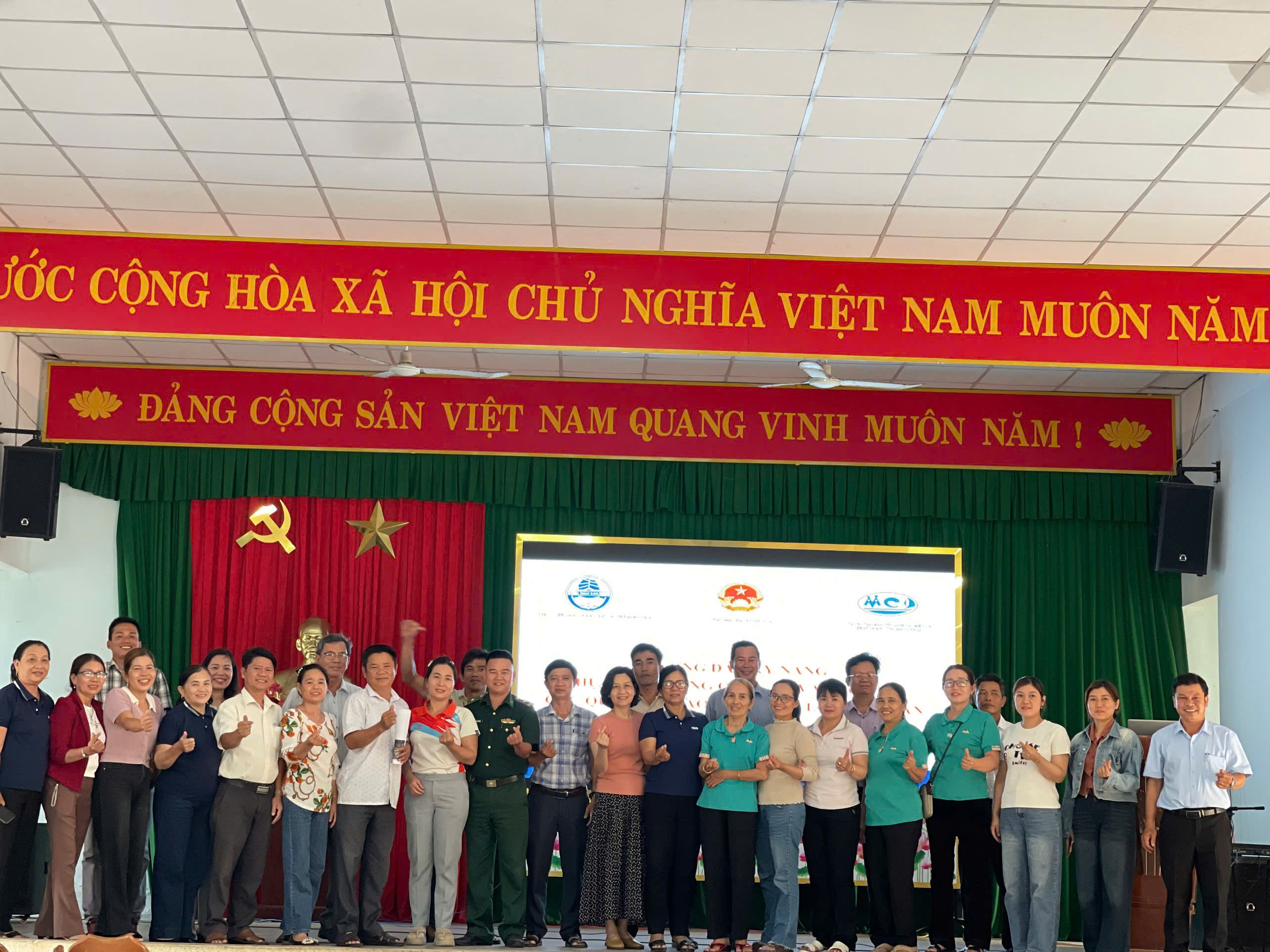
Overview of Participants at the Local Training Session
Since 2022, the Ran Ba Dau marine area (64 ha) has been allocated to a community group of 43 members for management under the 2017 Fisheries Law. The co-management approach has shown initial positive results, contributing to fisheries resource recovery, strengthening community participation, and attracting greater attention from local authorities.
However, awareness and compliance with fisheries regulations among local communities remain limited, while coastal fishing activities have yet to fully adopt sustainable practices.
Representing the Centre for Marinelife Conservation and Community Development (MCD), Ms. Than Thi Hien shared the KAP (Knowledge, Attitude and Practice) assessment findings and proposed measures to strengthen local capacity for co-management implementation. The assessment showed that although 80% of surveyed residents are aware of and willing to participate in co-management activities, 33.3% still lack a clear understanding of specific regulations. The findings also highlighted that while local communities recognize the importance of fisheries resource protection for ecosystem conservation and livelihood sustainability, many households remain heavily dependent on fishing and continue to face challenges in transitioning to alternative livelihoods.
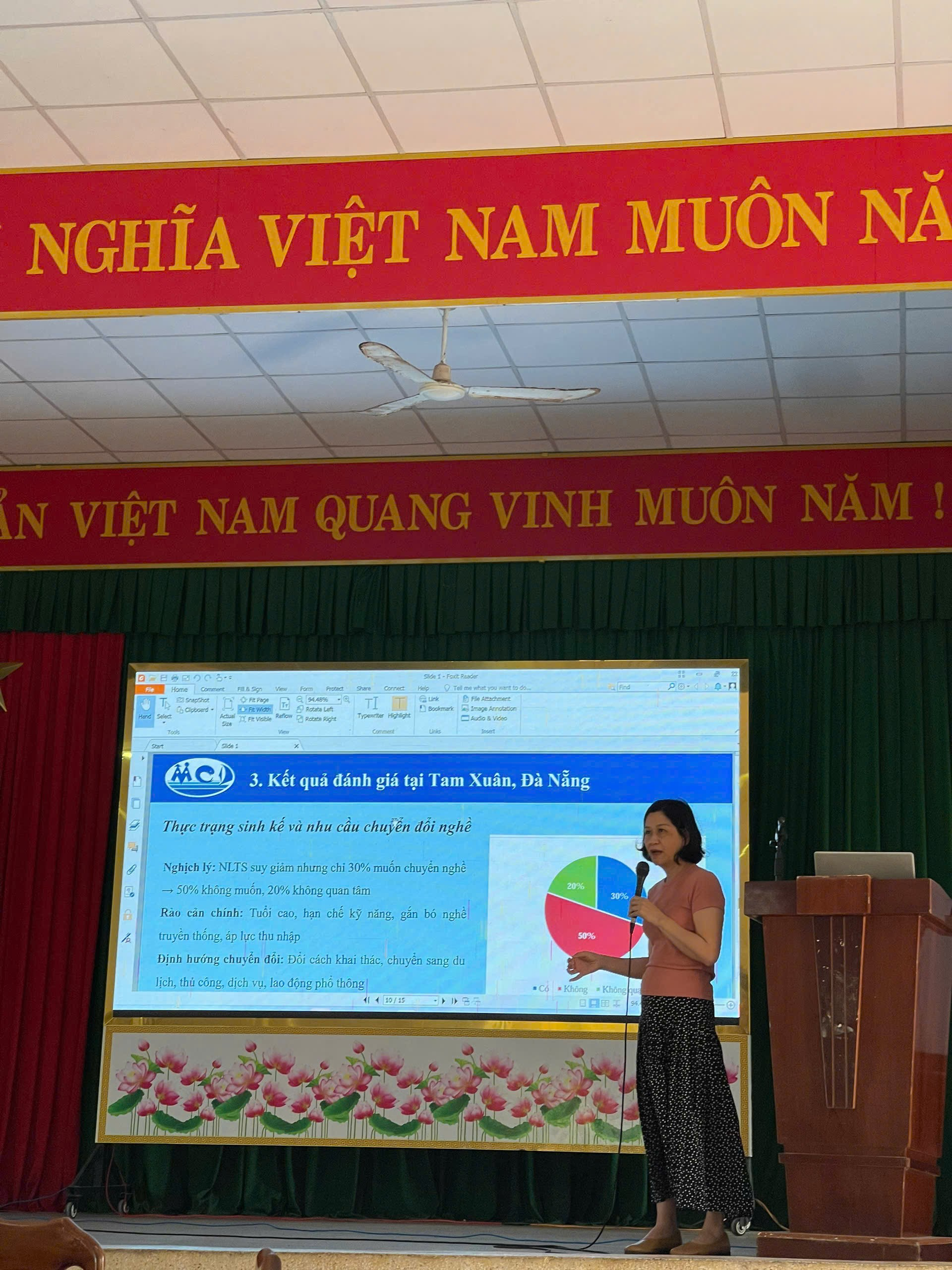
Ms. Than Thi Hien –Vice Director of MCD – presents assessment results and the capacity development plan for co-management implementation.
Based on the participatory assessment findings, several solutions were proposed in the views of community groups, including strengthening patrol, monitoring, and coordination mechanisms; providing resources and technical support to local communities; promoting sustainable livelihood development such as tourism and service-based activities; enhancing training and awareness of legal regulations; and strengthening community organizational structures and stakeholder linkages to improve long-term co-management effectiveness.
Representing the Da Nang Sub-Department of Seas, Islands and Fisheries, Mr. Nguyen Huu Truong provided guidance on regulations for sustainable fisheries exploitation. The session focused on coastal fisheries management through zoning, quota-based licensing, and vessel control measures, while emphasizing the strict prohibition of destructive fishing practices such as the use of explosives, electric shocks, small-mesh nets, and fishing in prohibited areas or during breeding seasons.
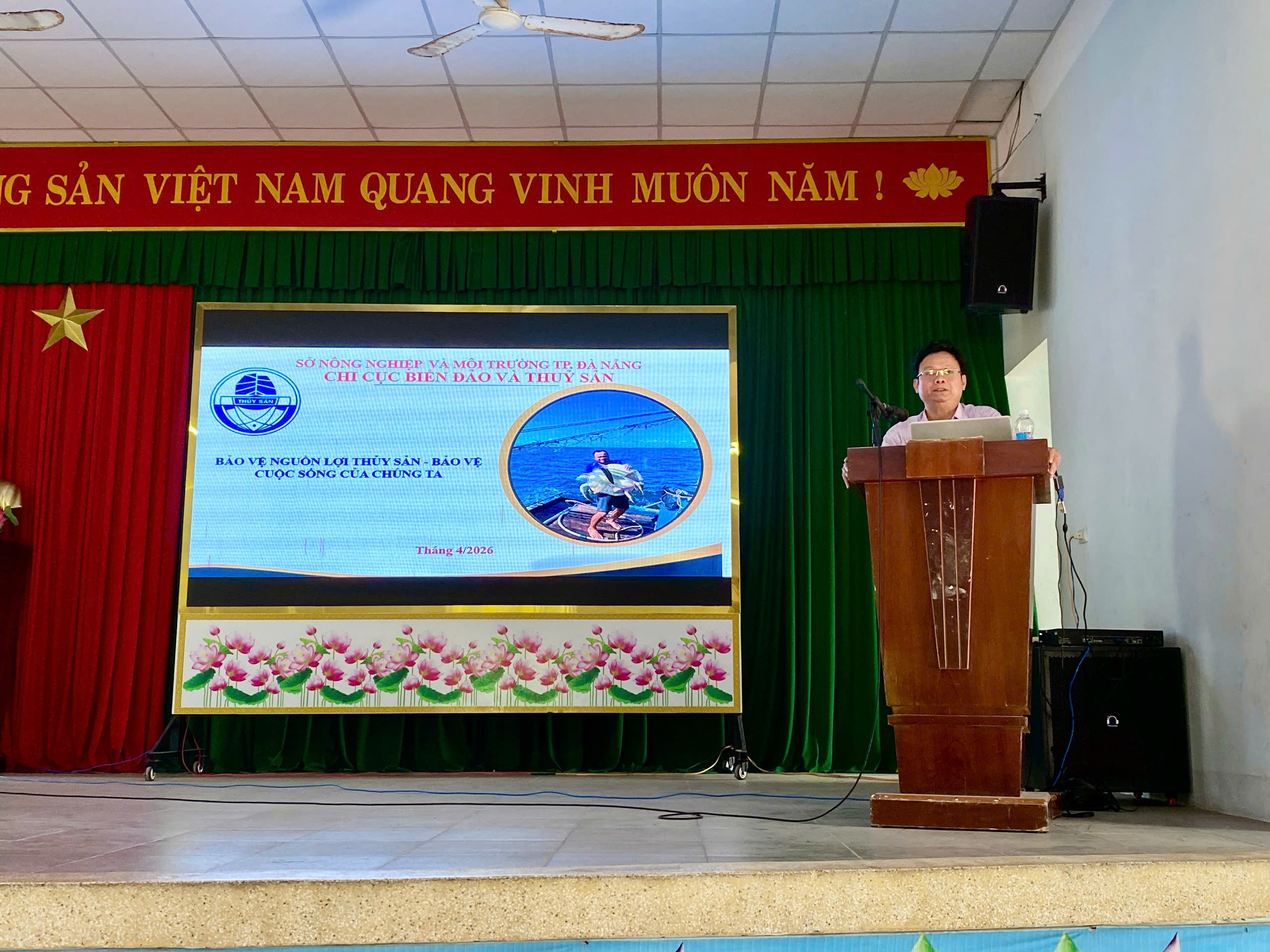
Mr. Nguyen Huu Truong – Head of Fisheries Surveillance Division, Da Nang Sub-Department of Seas, Islands and Fisheries – provides guidance on sustainable fisheries regulations.
The regulations also emphasize responsibilities for environmental protection, compliance with inspection and monitoring measures, and the application of strict sanctions for violations. At the same time, they encourage environmentally friendly livelihood transitions, including sustainable aquaculture and ecotourism, to support long-term community livelihoods.
During the training activity, community and stakeholders exchanged views on existing advantages and challenges, while discussing mechanisms to strengthen coordination among relevant parties. In particular, the important role of local authorities, including the Tam Xuan Commune People’s Committee, and functional forces such as the Border Guard and Fisheries Surveillance under the Sub-Department of Fisheries, Seas and Islands, was highlighted in coordinating with the community group in fisheries resource protection efforts. This collaborative approach is considered as a sustainable solution for enhancing the effectiveness of coastal fisheries resource management.
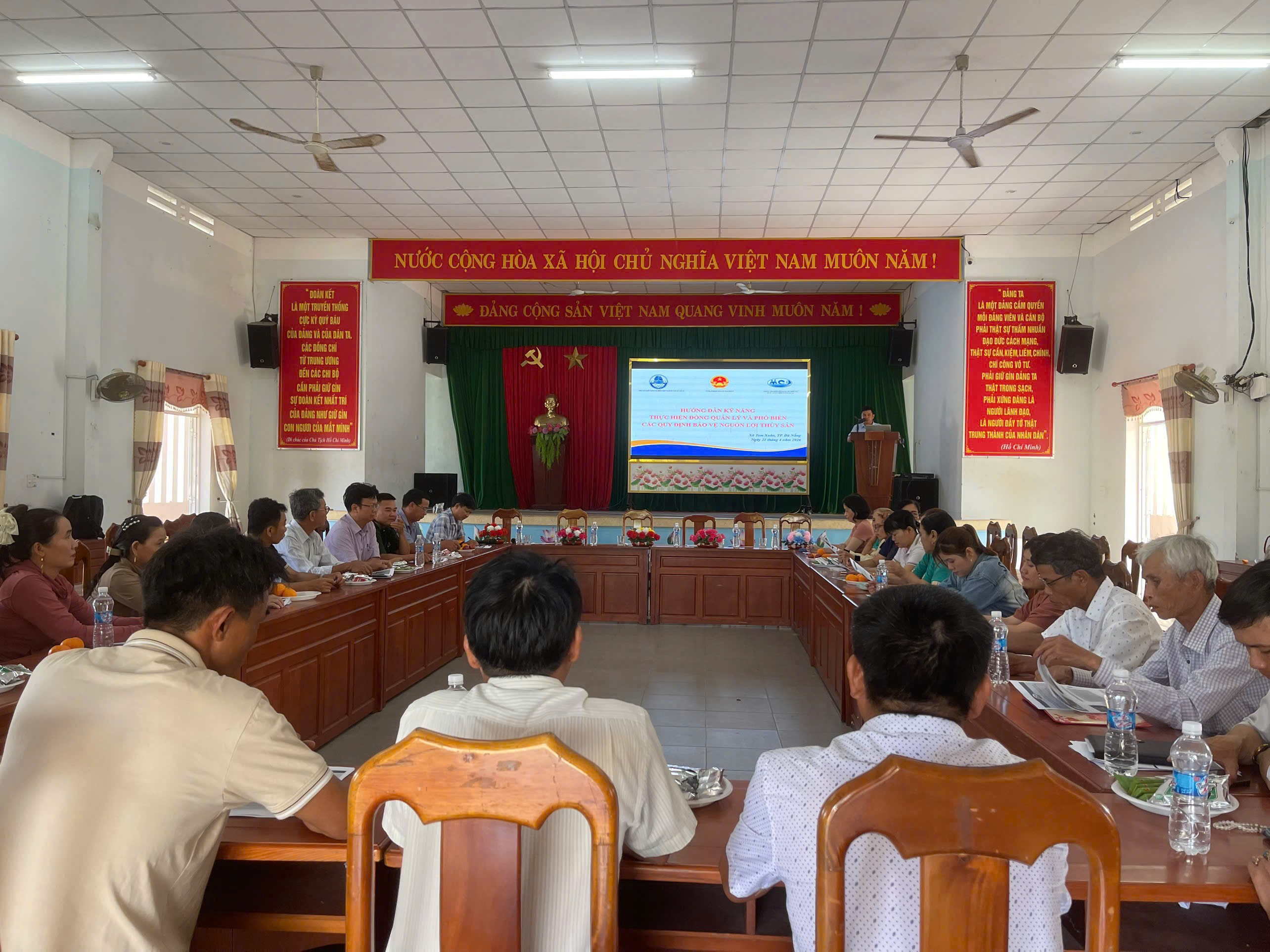
Stakeholders discuss solutions and strengthen coordination.
MCD looks forward to continuing collaboration with partners to create opportunities for community and stakeholders to discuss local priorities and jointly develop practical actions and solutions.
Read more